Sometimes as we’re wrapping up the year, it’s easy to drift into negativity. End-of-year evaluations tend to produce mixed findings—some areas show strong results,…
People need mentors now more than ever. Career paths are more uncertain. AI, technology, and economic shifts are creating cultures of uncertainty; working with a…
When the founders of uLeadership—Kay Kennedy, Lucy Leclerc, and Susan Campis—met in 2019, they were seasoned nurse executives who had spent years working all…
With 2026 bearing down on us, everyone is coming up with their Word of the Year. Merriam-Webster chose “slop.” Oxford University Press chose “rage bait.” Dictionary.com chose “67”—and…
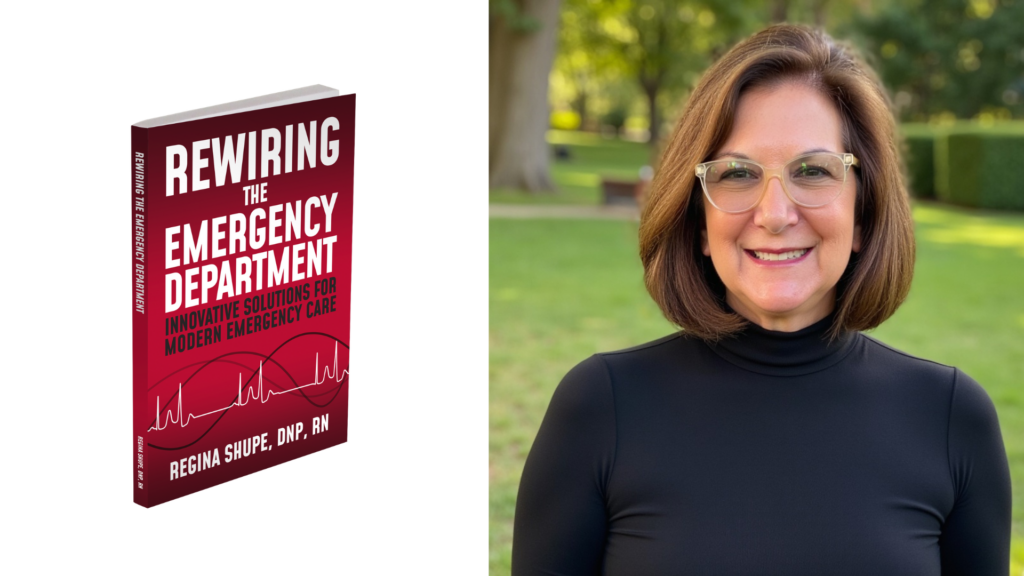
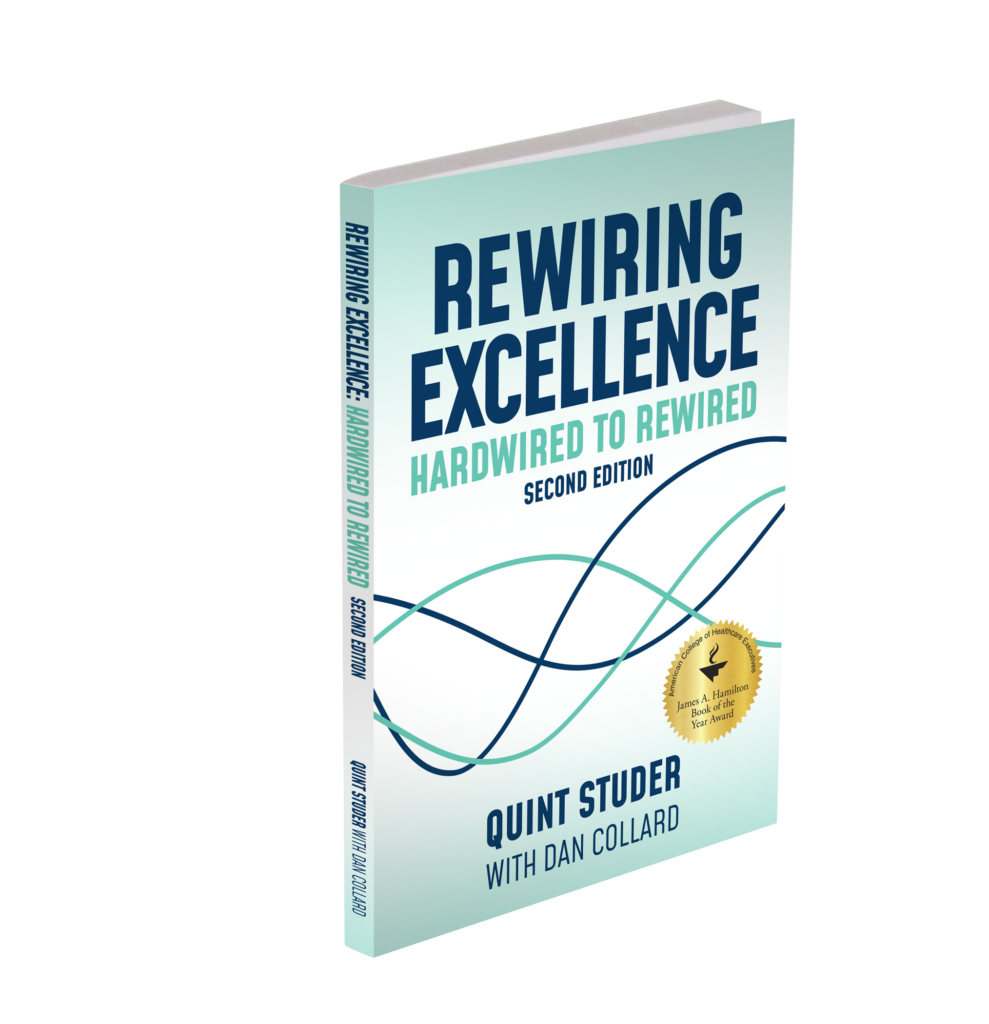
Healthcare doesn’t need a fresh start—it needs a thoughtful rewire. Rewiring Healthcare: Foundation to Future brings together senior leaders to step back…
Are you a “get-to” person or a “got-to/have-to” person? I start many of my presentations with a PowerPoint that shows the terms “get to” and “got to/have to” with a mark through the terms “got to/have to.” I share that while we will cover lots of material, if there is one action I hope they leave with, it is using the term “get to” versus “got to” and/or “have to.” I then ask them to…
Who will take their place? This is a question that’s frequently asked when someone resigns from a management position. Even in the best of times, an organization has at most 30 days until the person who resigned leaves. This can be especially challenging in small departments and organizations, as there may be no one currently working who can step into the leadership role. For mid-size and larger companies, that is not the situation. There are…
For an organization to thrive, trust is essential. It keeps people engaged and makes them more likely to stay. It is equivalent to safety in a city. At times, people will stay in a city where they do not feel safe, usually due to not having a way to leave. However, while living there, they will not feel that it is the place they want to be. City leaders cannot assume that residents feel safe…
What does it mean when a person or a culture is said to have a we/they issue? The most common explanation of we/they is when someone positions themselves positively (or at least neutrally) while positioning someone else less favorably. A classic example is a manager who says, “If it were up to me, I’d give you a raise, but administration has frozen all pay increases for the rest of the year.” While we/they is harmful…
We are short-staffed. It is so hard to find help. These statements are often given as the explanation for a range of issues: why something is taking longer than planned…why response is slower than desired…why business hours are less than they used to be…why people are working more hours than they like…why employees feel overwhelmed…why companies are paying more overtime dollars and at times bringing in temporary workers at a high cost…etc. Taken as stand-alone items,…
How self-aware are you? In my book The Busy Leader’s Handbook, published by Wiley, Chapter 1 is titled “Strive to Be Self-Aware and Coachable.” The book is about how to lead people and places that thrive. There are 41 stand-alone chapters that provide tips for leaders in the many situations they face. Why is Chapter 1 different from the other 40 chapters? Because if someone is not self-aware and coachable, those other chapters will not have…
How does one replenish themselves and others? A common definition of the word replenish is “to make full again.” This is often used in terms of supplying what is lacking, used up, etc. I have heard the message that one should stay hydrated. To hydrate is to replenish oneself. That is physical replenishment, and it’s important…but mental and emotional replenishment are also important. Much of my current work is focused on helping organizations create cultures of replenishment.…
I woke up recently in great spirits. I was spending time with a group, and they noticed my jovial demeanor. One person described it as childlike joy. Later on, another person shared that since they have begun meditating, they are doing better. It hit me: I had meditated every morning for the past week. Maybe this influenced why I had woken up in such a good mood. As he continued speaking, I realized that I…
As a leader, do I bring the needed enthusiasm to those I meet? Do I express optimism about the future? Lately, these are questions I’ve been thinking about a lot. With each of my books, columns, articles, podcasts, and presentations, I hold up the self-awareness mirror. The question I ask myself is: How well am I following what I recommend to others? Sharing best practices in leadership provides such an opportunity. It is normal for me to come…
Gossip is something I’ve encountered at various times in my life. I am on a journey of learning. When I share about work situations and community items, the fact that they’re based on actual experiences is helpful. It provides me with empathy and understanding. I know how hard being in a leadership role is. In studying recent employee engagement results and reading comments, it became clear there are signs of gossip. In researching materials on…